A home project creating a personal NAS using a Raspberry Pi, OMV, and a recycled hard drive. The NAS provides centralized storage and file sharing for my home network, with external access via VPN for secure remote connectivity.
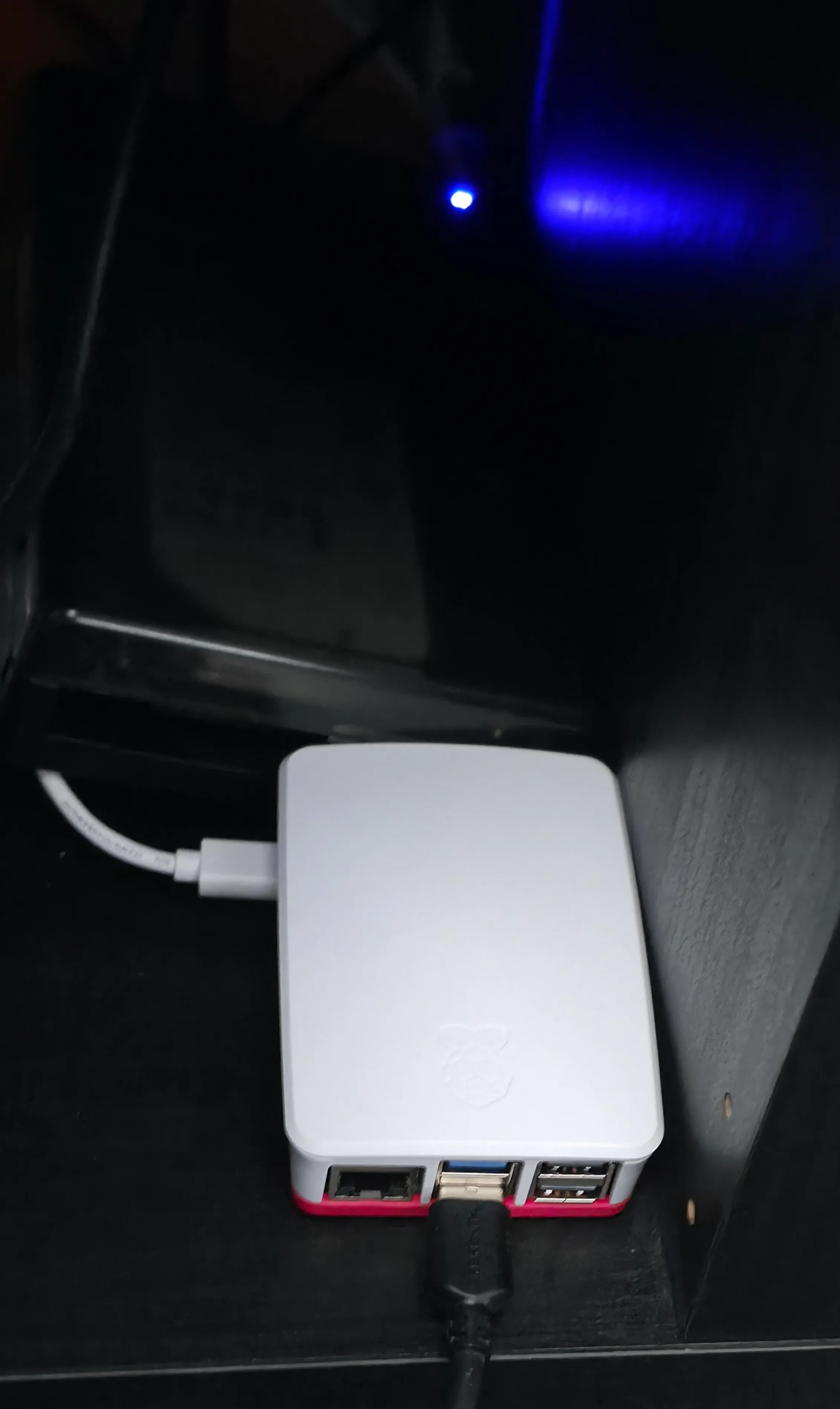
A home project creating a personal NAS using a Raspberry Pi, OMV, and a recycled hard drive. The NAS provides centralized storage and file sharing for my home network, with external access via VPN for secure remote connectivity.
During development, I encountered several technical and design challenges that tested my problem-solving skills and pushed me to learn new concepts.
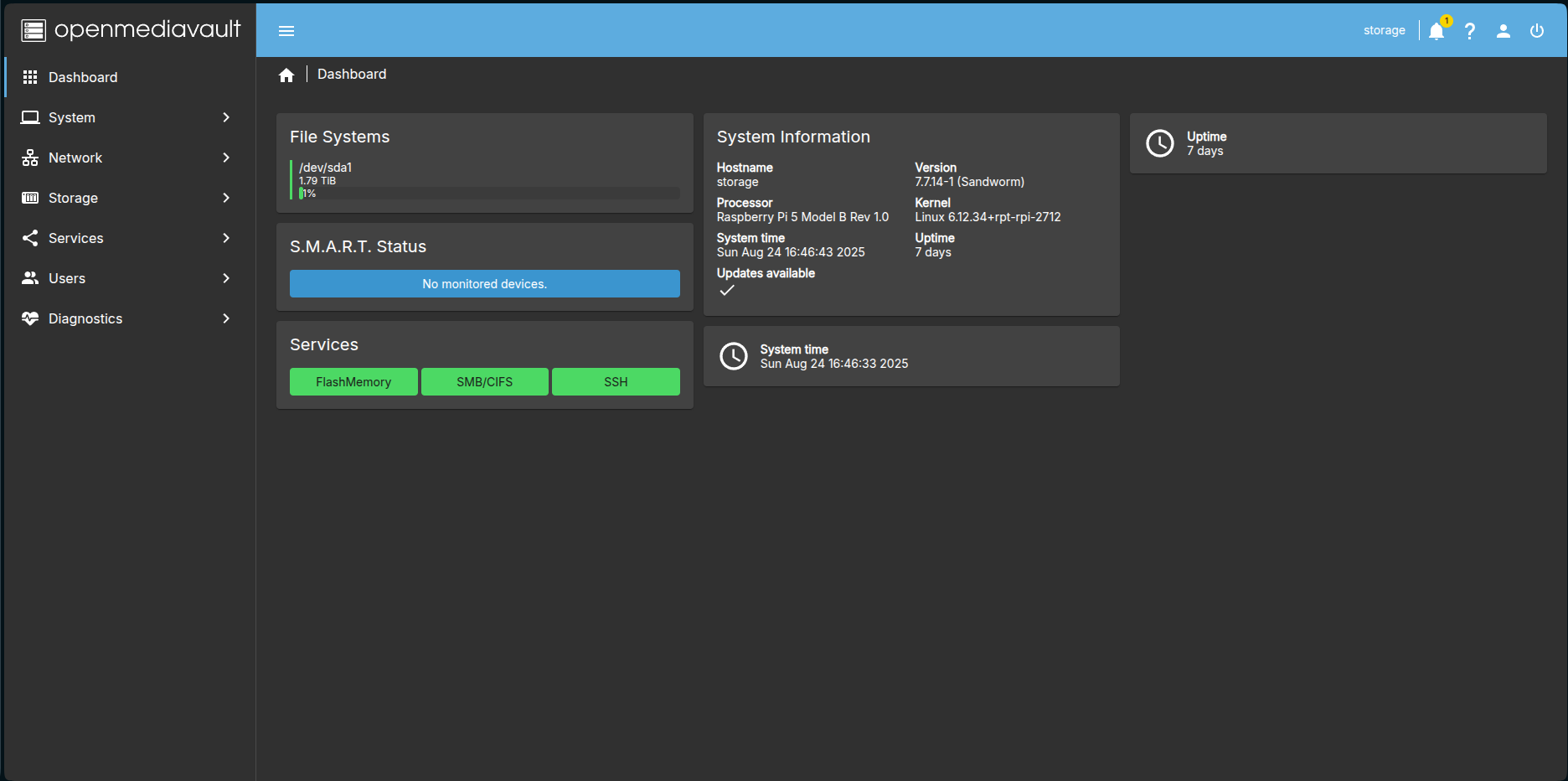
Setting up the OMV OS required a wired connection but my wifi router is not accessable, so I ran the ethernet to my PC and enabled pass through to provide network access to the Raspberry Pi.
My Recycled drive was to old and S.M.A.R.T was giving errors, This was preventing me from using it in the NAS. I had to get a new drive to continue the project.
I had planned to use a form of network segmentation either VLANs or a separate subnet to isolate the NAS from the rest of my network, but my router did not support these features so unfortunately I had to give up on this feature.
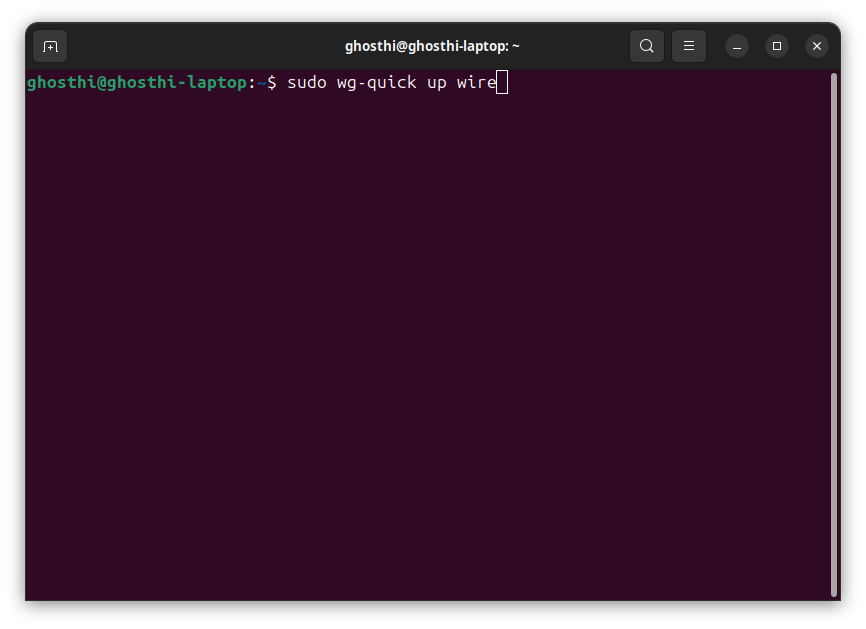
I used a VPN to allow secure access to the NAS when away from home. I did this by setting up a Wireguard VPN server on the NAS and configuring my devices to connect to it when away from home.
I used OMV to restrict access to anything other than shared folders. This was done to prevent other users from accessing the NAS and making changes to the system.
This project was a great learning experience for me. I learned a lot about setting up and configuring a NAS, as well as about network security and management. From limiting user access to setting up a VPN, I gained valuable unserstanding that I can use in future projects.
In the future, I would like to implement network segmentation using VLANs or a separate subnet to isolate the NAS from the rest of my network. Additionally, I plan to explore more advanced backup solutions and possibly integrate cloud storage options for added redundancy and accessibility.