This Sudoku project features fixed boards for simplicity and is built using Rust.
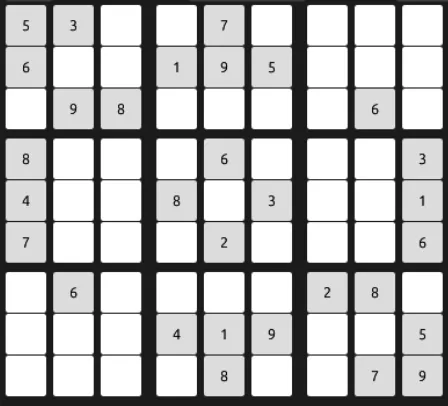
This Sudoku project features fixed boards for simplicity and is built using Rust.
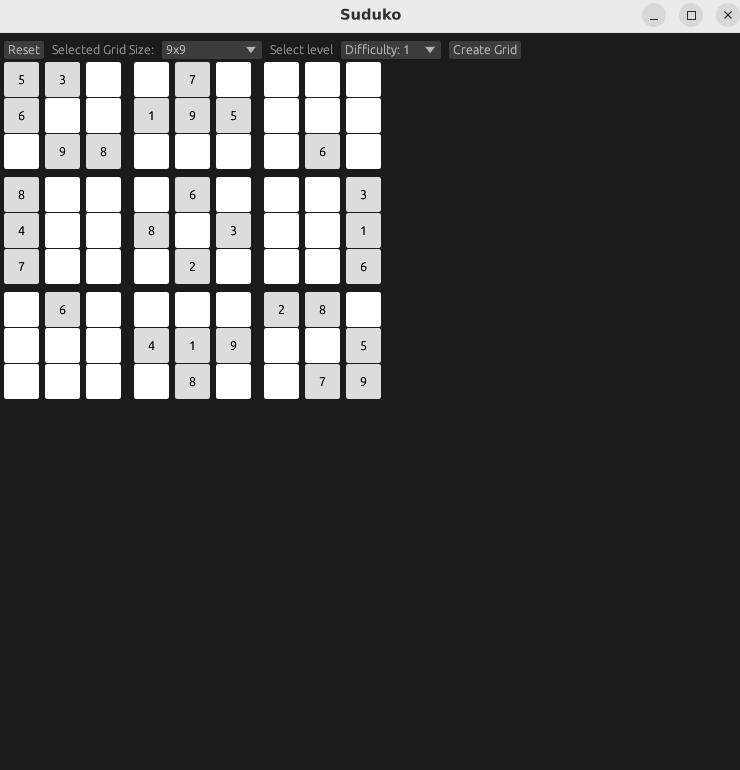
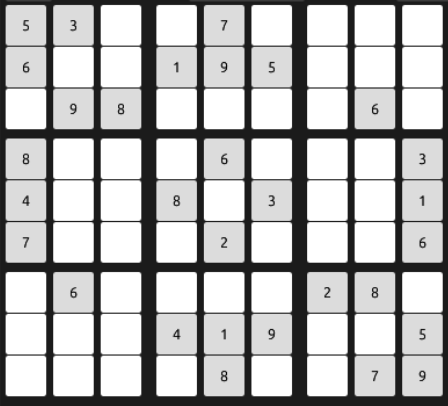
During development, I encountered several technical and design challenges that tested my problem-solving skills and pushed me to learn new concepts.
Initially built under the assumption that all game sizes are valid, but discovered only perfect squares work for Sudoku. This required a change in logic and validation.
Started with free-form user input, but switched to a dropdown menu to reduce user frustration and prevent parse errors. Limited choices to 25 as larger boards seemed impractical.
Due to time constraints, had to use fixed game boards instead of implementing random board generation with a backtracking algorithm.
Switching from free-form input to dropdown menus made the game more user-friendly and reduced errors, highlighting the importance of good UX decisions.
Time constraints required me to prioritize features and use fixed boards, teaching me valuable lessons about project management and realistic goal setting.
Future improvements could include implementing a random board generator using a backtracking algorithm, enhancing the user interface for better usability, and adding features like hints or difficulty levels to enrich the gaming experience.